By Crystal Boyers
When Staunton Changes After Dark
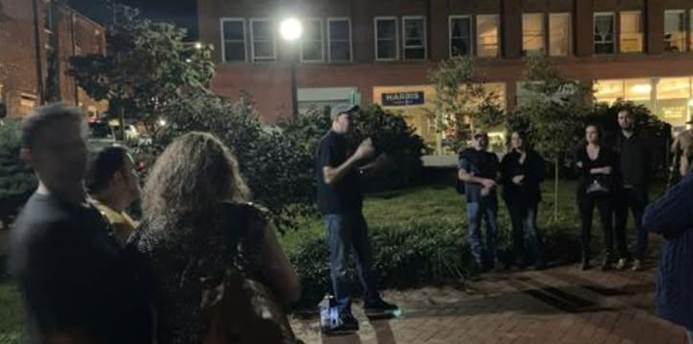
During the day, Staunton’s history is easy to see. After sunset in October, those same streets, buildings, towers, churches, alleys, and stories feel different.
The streets grow quieter as daylight fades to dusk. Warm light spills from storefront windows while the upper floors of old buildings disappear into the shadows. Church steeples rise against the dark sky, their silhouettes stretching above the rooftops, while the narrow streets seem to pull your attention farther into downtown. The air is cooler at this time of the year, and with fallen leaves scraping and crunching beneath your feet, every sound—the passing of a car, distant voices, your own footsteps—seems a little sharper.
Streetlights glow against brick walls and old windows, highlighting the nineteenth- and twentieth-century character of the buildings around you. Some details stand out more after dark; others vanish completely into the shadows. The city has not changed, but the way you experience it has.
As you walk through the Beverley Historic District, that feeling begins to deepen. Block after block of historic architecture surrounds you, with Victorian-era buildings standing beside structures from other periods in Staunton’s mysterious past. Under an October night sky, it becomes easier to imagine the generations who once lived, worked, shopped, worshipped, and walked these same streets.
The stories feel different at night—not because their history changes, but because the setting changes how we hear them. As you walk through downtown at night, the rustle of leaves, shifting wind, and quieter streets can make even familiar surroundings feel a little more mysterious as the evening settles in.
Three Ways to Experience October After Dark
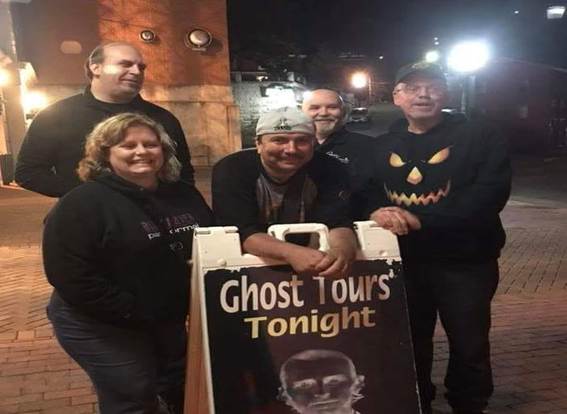
All these things—the streets, the stories, and their mysteries—can feel different in October. Ghosts of Staunton’s paranormal tour calendar becomes part of that annual October experience. Each experience feels different, but they all have one thing in common: they change the way you experience the Queen City after the sun goes down.
Historic Haunts of Staunton introduces guests to local history and reported hauntings, letting them hear these stories while standing near the places connected to them. Haunts from the Darkside takes an aptly named darker approach, leaning into more morbid stories, mysteries, legends, and lore that present the town from an entirely different point of view. Meanwhile, October Victorian Haunts at the Spotts-Coffman House completely changes the atmosphere. By moving the experience indoors, guests can explore old rooms, staircases, doorways, and eerie corners, creating a quieter, more intimate setting while keeping that spine-tingling October mood.
Beyond Beverley
Once you move beyond downtown, you quickly realize it is only one part of Staunton’s story. Outside Beverley, the city’s other historic districts take on their own character after nightfall. Gospel Hill feels quieter and more residential, with historic homes lining tree-shaded streets east of downtown. Heading north, Stuart Addition adds another layer of the past, with long-standing residences, historic churches, and steep streets that seem more removed as evening settles in. Down toward the Wharf District, the mood shifts again. Staunton’s railroad and commercial past remains visible among surviving nineteenth-century buildings. Together, these districts reveal different sides of the city, and October darkness gives each one its own distinct feel.
October does not create Staunton’s history or its ghost stories. In fact, they are here all year. But as the sun sets earlier, the air cools, and the streets grow quieter, they become easier to notice. Maybe that is part of Staunton’s charm in October: history isn’t tucked away behind museum doors. It surrounds you, waiting in the buildings, the streets, and the stories that have lingered there for generations.



Leave a comment